Congress just approved $1.2 trillion in infrastructure spending through 2031, but the real action starts hitting in 2026. Unlike previous stimulus packages that scattered funds across dozens of programs, this infrastructure wave targets three specific sectors with precision funding mechanisms already in place.
The timing isn’t coincidental. Federal agencies must obligate 40% of allocated funds by fiscal year 2026, creating a spending surge that will reshape entire industries. Early contract awards show clear winners emerging, with some sectors positioned to capture disproportionate shares of the federal windfall.
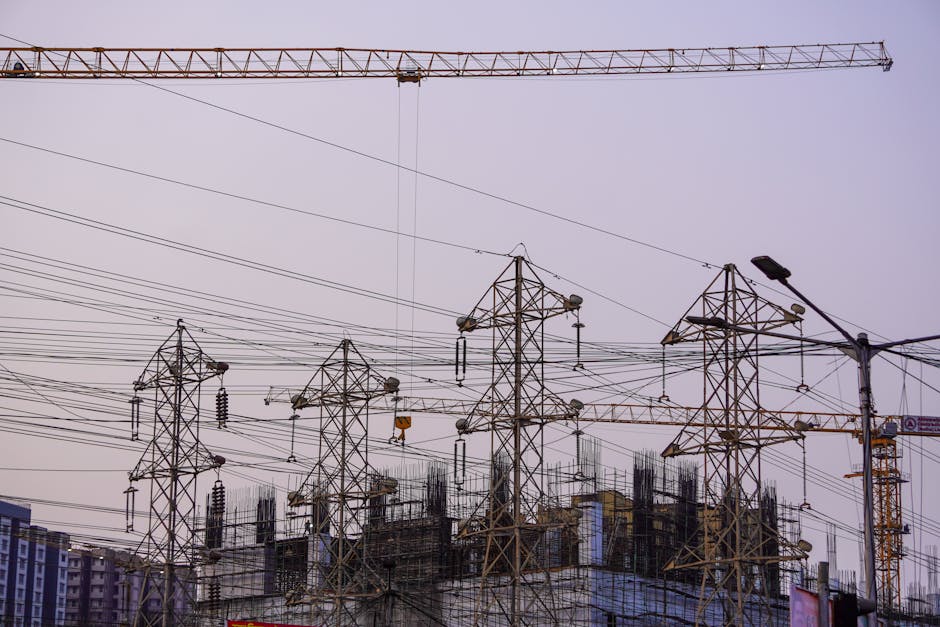
Transportation Infrastructure: The $550 Billion Foundation
Transportation commands the largest slice of infrastructure spending, with $550 billion earmarked through the Infrastructure Investment and Jobs Act. But 2026 marks a critical inflection point when delayed megaprojects finally break ground.
The Federal Highway Administration has already pre-approved $52 billion in major bridge and highway projects scheduled for 2026 construction starts. The I-5 Columbia River Bridge replacement between Washington and Oregon leads the pack with a $7.5 billion price tag, while California’s Central Valley highway expansion adds another $4.2 billion to the pipeline.
Rail and Transit Dominate Urban Spending
Urban rail projects represent the fastest-growing segment within transportation infrastructure. The Federal Transit Administration fast-tracked environmental reviews for 23 major rail projects, with combined funding exceeding $89 billion. Seattle’s West Seattle Light Rail extension, Chicago’s Red Line reconstruction, and Denver’s Regional Rail expansion all commence major construction phases in 2026.
Private contractors are already positioning for these opportunities. Fluor Corporation secured preliminary agreements for six transit projects worth $12 billion combined, while Bechtel holds preferred bidder status on four major rail initiatives totaling $8.3 billion.
Aviation Infrastructure Gets Federal Priority
Airport modernization received dedicated funding streams that bypass traditional congressional appropriations. The Airport Infrastructure Grant program allocated $25 billion specifically for runway expansion, terminal upgrades, and air traffic control system modernization between 2024-2028.
Major airports including Atlanta’s Hartsfield-Jackson, Los Angeles International, and Chicago O’Hare have confirmed $3-5 billion expansion projects beginning in 2026. These projects prioritize cargo capacity and sustainable aviation fuel infrastructure, reflecting long-term shifts in air transportation demands.
Clean Energy Grid: The $73 Billion Transformation
Power grid modernization represents the most technically complex component of infrastructure spending, with $73 billion allocated for transmission lines, smart grid technology, and renewable energy integration. The Department of Energy structured this funding to accelerate deployment of technologies that have been tested but not widely implemented.
Regional transmission organizations already selected priority corridors for new high-voltage lines. The Plains & Eastern Clean Line connecting Oklahoma wind farms to Tennessee markets received $4.8 billion in federal backing. Similarly, the SunZia transmission project linking New Mexico solar installations to California demand centers secured $3.2 billion in federal loan guarantees.
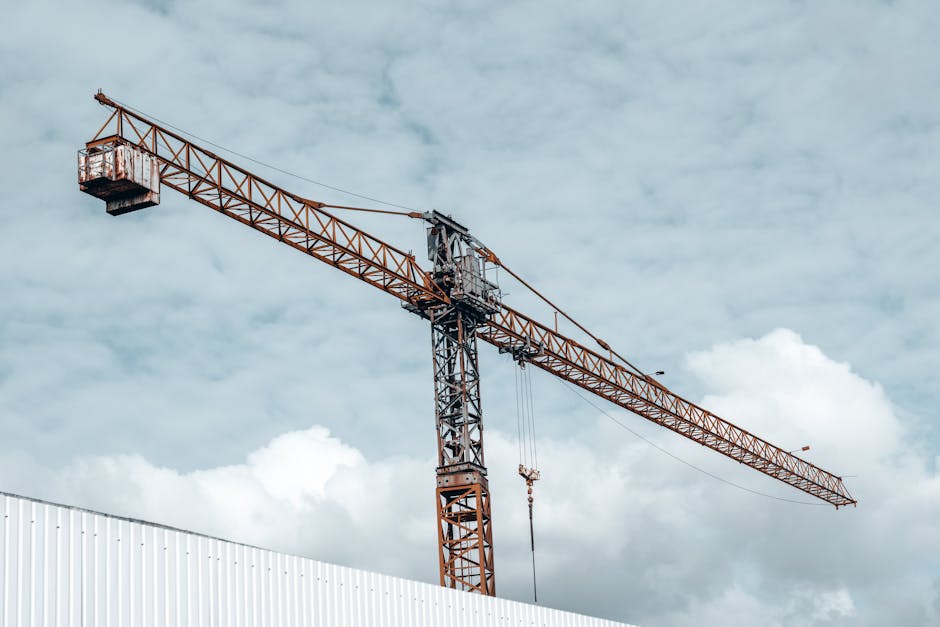
Smart Grid Implementation Accelerates
Utility companies must upgrade aging electrical infrastructure to qualify for federal matching funds. Pacific Gas & Electric committed $6.7 billion to smart grid deployment across Northern California, while Con Edison allocated $4.1 billion for New York City grid modernization. These projects integrate battery storage, demand response systems, and real-time monitoring capabilities.
The grid spending includes cybersecurity requirements that create additional opportunities for specialized contractors. Raytheon, Lockheed Martin, and smaller firms like CrowdStrike have secured preliminary contracts worth $2.8 billion combined for grid protection systems.
Battery Storage and Grid Reliability
Federal tax credits complement direct infrastructure spending to accelerate battery storage deployment. The Inflation Reduction Act provides 30% investment tax credits for qualifying storage projects, while infrastructure funds cover grid connection costs. This dual incentive structure makes utility-scale battery projects financially viable in most markets.
Tesla’s Megapack factory in Nevada ramps production to meet anticipated demand, while Chinese battery manufacturer CATL announced a $5 billion U.S. manufacturing facility specifically to serve infrastructure projects. Domestic suppliers including QuantumScape and Solid Power also expanded production capacity ahead of 2026 deployment schedules.
Water Systems: The $55 Billion Necessity
Municipal water infrastructure received $55 billion in dedicated funding, addressing decades of deferred maintenance across drinking water and wastewater systems. The Environmental Protection Agency prioritized projects in communities with documented water quality violations or aging infrastructure that poses public health risks.
Large-scale water treatment facility upgrades dominate the spending pipeline. Detroit’s $2.1 billion wastewater system overhaul, Philadelphia’s $1.8 billion combined sewer upgrade, and Houston’s $3.4 billion flood management system all begin major construction in 2026. These projects incorporate advanced treatment technologies and climate resilience features.
Rural Water Access Programs
Rural communities receive dedicated funding streams through the USDA Rural Development program, with $13 billion allocated specifically for small-town water system improvements. These projects typically range from $10-50 million per community but collectively represent significant opportunities for regional engineering and construction firms.
Private water companies including American Water Works and Aqua America have secured management contracts for federally funded rural water projects. These agreements typically span 20-30 years and provide predictable revenue streams backed by federal guarantees.
Stormwater and Climate Resilience
Federal infrastructure spending prioritizes climate adaptation, with $18 billion specifically designated for stormwater management and flood control systems. Cities including Miami, New Orleans, and Norfolk have secured federal funding for comprehensive flood protection systems that integrate natural and engineered solutions.
These projects often combine multiple funding sources, including FEMA hazard mitigation grants, Army Corps of Engineers appropriations, and state matching funds. The complexity creates opportunities for firms that can navigate regulatory requirements and manage multi-agency coordination.
Investment Implications and Strategic Positioning
The infrastructure spending surge creates clear winners among publicly traded companies and private contractors. Transportation projects favor established heavy construction firms with existing federal contracting capabilities, while clean energy infrastructure benefits technology companies and specialized manufacturers.
Caterpillar, Deere & Company, and other equipment manufacturers positioned themselves early for increased demand. Caterpillar expanded North American production capacity by 15% specifically to serve infrastructure projects, while maintaining pricing discipline that should boost margins as demand peaks in 2026.
Technology companies with federal contracting experience stand to benefit disproportionately from smart grid and water system upgrades. IBM’s hybrid cloud platform won contracts for three major utility projects, while Microsoft Azure secured federal certification for critical infrastructure applications.
The infrastructure boom of 2026 will reshape American economic geography, but the winners are already positioning themselves. Investors and business leaders who understand the funding mechanisms and timeline advantages can capitalize on this generational opportunity before competition intensifies.