
The Quiet Accumulation of a Fertilizer Infrastructure Asset
Ammonia terminal leases are not the kind of asset that shows up in glossy fund prospectuses or earns headlines at investor conferences. They sit at the industrial edge of the agricultural supply chain – concrete, tanks, pipes, and long-term contracts with fertilizer distributors who have almost nowhere else to go. That combination of obscurity and structural necessity is exactly what a growing number of hedge funds are banking on.
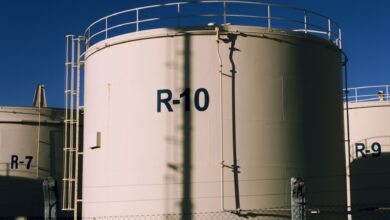
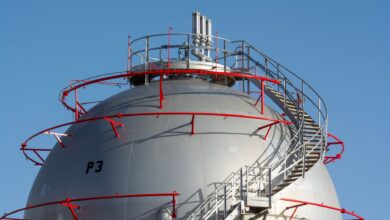
Over the past 18 months, fund managers focused on real assets and commodities infrastructure have been quietly acquiring lease positions in ammonia storage and distribution terminals across the Gulf Coast, the Midwest, and parts of the Pacific Northwest. The deals are typically structured as ground lease acquisitions, sale-leaseback arrangements with existing terminal operators, or direct stakes in the holding entities that control long-term lease agreements with ports and industrial sites.
The strategy is not accidental.
Why Ammonia Terminals, and Why Now
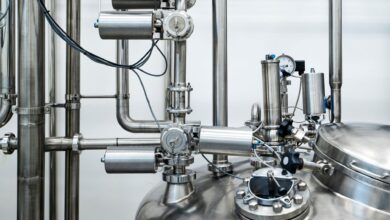
Ammonia is the backbone of nitrogen-based fertilizer production. Without reliable terminal infrastructure to store and distribute it, the entire crop input supply chain stalls. Terminals that handle anhydrous ammonia – the concentrated form used directly in agriculture – require specialized equipment, safety certifications, and significant capital investment to build from scratch. That barrier to entry means existing terminals carry real pricing power, and the leases underpinning them carry something funds love: predictable, long-duration cash flow.
The timing of this accumulation is not coincidental. Global ammonia supply chains faced severe stress in 2021 and 2022 as natural gas prices spiked in Europe, forcing curtailments at major production facilities. That disruption exposed how concentrated and fragile the distribution network actually is. Funds that spent that period studying the bottlenecks came away with a conviction that terminal capacity – specifically the contractual rights to occupy and operate terminals – would hold value far better than commodity prices themselves, which swing with energy costs and weather cycles. A terminal lease doesn’t care whether ammonia is trading at $400 or $900 a ton. The operator still needs the dock.
There is also a longer-horizon angle being played here. Ammonia is increasingly discussed as a hydrogen carrier – a way to transport green hydrogen at scale by converting it into ammonia for shipping, then cracking it back at the destination. Several port authorities and industrial developers in Europe and Asia are already investing in this model. Terminal infrastructure built for conventional ammonia today would require relatively modest retrofits to handle green ammonia. Funds acquiring leases now are effectively buying optionality on that transition without paying green-premium prices.
How the Trade Is Structured
The mechanics of acquiring ammonia terminal lease positions vary by deal, but several structures have become common. In sale-leaseback transactions, a fund purchases the real property rights from a terminal operator and immediately leases the site back on a triple-net basis, meaning the operator covers taxes, maintenance, and insurance. The fund collects a fixed rent with periodic escalators – often tied to CPI or a fixed percentage – while the operator retains control of day-to-day operations. The fund’s risk is primarily credit risk on the tenant, not operational risk on the terminal itself.
Ground lease acquisitions work differently. Here, the fund buys the underlying land lease from a port authority or landowner and becomes the sub-lessor to the terminal operator. These structures can be particularly attractive because ground leases at major industrial ports can run 50 to 99 years, creating an extraordinarily long duration asset that functions almost like a bond with inflation protection built in. The catch is illiquidity – there is no secondary market for these positions the way there is for publicly traded infrastructure stocks, which means funds need committed capital with patient timelines.
Some funds are also taking minority stakes in the holding companies that own clusters of terminal leases, rather than acquiring individual sites. This approach allows for geographic diversification across multiple terminals without the transaction cost of assembling a portfolio one deal at a time. It also provides some path to liquidity if the holding company eventually seeks institutional capital or pursues a sale. The trade-off is less direct control over the underlying assets and greater exposure to management decisions at the operating company level. Funds with existing relationships in the agricultural commodity and midstream infrastructure space have a distinct sourcing advantage here – this market runs almost entirely on proprietary deal flow, and the number of active sellers in any given quarter is small. This is a pattern familiar to those watching family offices accumulate stakes in potash mine royalty streams, where proximity to the agricultural supply chain opens doors that broader markets never see.
The Risks Are Real, Even If They Are Not Obvious
No institutional positioning is without pressure points, and ammonia terminal leases carry a specific set of risks that any fund needs to price carefully. Environmental liability sits at the top of the list. Anhydrous ammonia is classified as an extremely hazardous substance under U.S. EPA regulations, and terminals that have operated for decades can carry legacy contamination issues or face escalating compliance costs as regulations tighten. Lease structures that seem to shift this liability to the operator can get complicated in practice if the operator becomes insolvent or disputes the scope of their obligations.
Tenant concentration is another real concern. Many ammonia terminals operate under contracts with a very small number of fertilizer distributors or cooperatives, sometimes just one anchor tenant. If that tenant’s business contracts – because of farm income pressure, crop mix shifts, or competition from imported fertilizers – the terminal’s utilization drops and the lease economics deteriorate regardless of what the contract says on paper. Funds with experience in net-lease real estate understand this dynamic well, but the agricultural demand cycle adds a layer of volatility that is harder to model than, say, a warehouse leased to a logistics company.
Regulatory risk around ammonia itself is also evolving. Some jurisdictions are tightening community right-to-know requirements and setback rules for hazardous chemical facilities, which could limit future expansion options or complicate permit renewals at specific sites. A fund that owns a 30-year ground lease on a terminal that loses its operating permit a decade in faces a complicated legal and financial recovery process.

What makes this moment interesting is that all of those risks are visible and priceable – and yet competition for quality terminal lease positions is still limited enough that entry yields remain attractive compared to more institutionally crowded infrastructure categories. The funds moving quietly into this space now are betting that the window before mainstream capital discovers the trade is shorter than it looks.