
The Quiet Accumulation
Sulfuric acid terminal leases are not the kind of asset that shows up in hedge fund pitch decks. They sit at the unglamorous end of industrial infrastructure – concrete storage facilities, chemical transfer stations, port-adjacent tank farms that handle one of the most widely produced industrial chemicals on earth. And yet, a growing number of alternative investment managers are acquiring long-term lease positions in these facilities, building exposure to an asset class that has almost no retail visibility and very little institutional competition.
The logic is straightforward once you understand the supply chain. Sulfuric acid is not a niche chemical. It is consumed in fertilizer production, copper refining, battery manufacturing, petroleum refining, and steel processing. Demand does not evaporate during recessions in the way consumer discretionary spending does. Terminal leases – the contractual right to use storage and transfer infrastructure at key logistics nodes – generate income that is tied to industrial throughput rather than market sentiment.
This is not a speculative bet. It is an infrastructure play dressed in chemical overalls.
Why Terminals, and Why Now
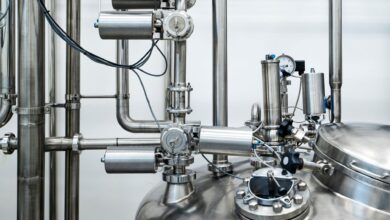
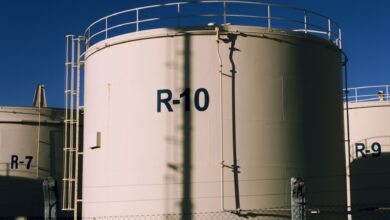
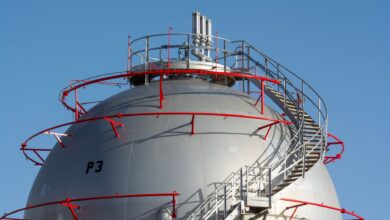
Sulfuric acid cannot be stored in just any facility. The corrosive nature of the chemical demands specialized tank construction, containment systems, and handling equipment built to specific safety standards. That physical constraint creates a natural scarcity. There are only so many certified sulfuric acid terminals operating at major industrial ports and rail hubs across North America, Europe, and parts of Southeast Asia. New terminal development is expensive, slow, and subject to intense regulatory review. That means existing terminals carry a durability that most real asset categories cannot match.
Hedge funds entering this space are typically acquiring lease rights rather than the physical infrastructure itself. The distinction matters. Owning a terminal requires capital-intensive maintenance, environmental liability management, and operational staff. Holding a long-term lease – particularly one with throughput minimums locked in by industrial counterparties – captures the income stream without the operational headaches. Some fund structures are layering in multiple terminal leases across different geographies, building portfolios that function similarly to how pipeline royalty trusts operate: income-generating, asset-backed, and largely uncorrelated to equity markets. This mirrors the approach sovereign wealth funds have been applying to brine cavern leases, where the underlying chemical infrastructure creates long-duration income with minimal market noise.
The timing connects directly to two separate demand drivers that have accelerated in the past three years. First, the global copper mining expansion – driven by electric vehicle battery demand and grid infrastructure buildout – has sharply increased consumption of sulfuric acid, which is a byproduct of copper smelting but also a key processing reagent. Second, the phosphate fertilizer industry, which is the single largest consumer of sulfuric acid globally, has seen supply chain disruptions that pushed producers to secure dedicated terminal access rather than relying on spot availability. Both factors tighten the supply of reliable terminal capacity without adding new physical infrastructure quickly enough to compensate.
The Structure of the Trade
Fund managers structuring these positions are working with lease durations that typically run ten to twenty-five years, often with renewal options. The long tenor is not a bug – it is the feature. Industrial tenants who rely on sulfuric acid terminals for their processing operations want certainty of access. They will sign extended agreements because the cost of losing terminal access mid-operation is catastrophic relative to the lease cost. That asymmetry gives lease holders significant pricing power at renewal, particularly in port markets where alternative certified facilities are limited.
Yield profiles on these positions vary depending on location, throughput volume, and counterparty credit quality. Terminals serving major copper smelters or large fertilizer production complexes tend to carry more stable cash flows because the anchor tenants are large industrial corporations with long operating histories. Smaller regional terminals serving multiple mid-sized clients offer higher theoretical yields but require more active management of tenant mix. Some funds are pursuing blended portfolios that combine anchor-tenant stability with higher-yield regional exposure – a barbell approach designed to optimize income while managing concentration risk.
One complication worth understanding is the environmental liability question. Sulfuric acid terminal operations carry real regulatory exposure. Lease structures that are drawn carefully can separate operational liability from the lessor’s balance sheet, but this requires precise legal drafting and ongoing compliance monitoring. Funds that have navigated similar liability structures in other chemical infrastructure categories – petroleum tank farms, anhydrous ammonia storage – are better positioned to execute cleanly. Funds entering this space without that operational familiarity are taking on more risk than the surface-level income profile suggests.
What the Competition Looks Like
The market for sulfuric acid terminal leases remains thinly traded and relationship-dependent. Most transactions happen through direct negotiation between fund managers and terminal operators, chemical producers, or industrial conglomerates looking to monetize infrastructure they own but no longer want on their balance sheets. There is no exchange, no public pricing index, and very little third-party brokerage activity. That opacity is precisely what makes the category attractive to managers who have the sourcing networks to access it.
Institutional investors outside the hedge fund space have been slow to move here. Large pension funds and insurance companies tend to prefer infrastructure assets with more established valuation frameworks and longer public track records. Private equity firms have shown interest but typically require controlling ownership positions rather than lease structures. That leaves a window – not indefinitely open, but currently clear – where specialized hedge funds with industrial real assets expertise can accumulate positions at valuations that have not yet been bid up by broader institutional competition.

The window will not stay open once copper production targets come into sharper focus and battery supply chain planners begin mapping terminal dependencies more explicitly. At that point, sulfuric acid terminal leases will stop being obscure infrastructure and start appearing in the materials section of every major commodity-focused fund’s quarterly letter – and the pricing will reflect that attention accordingly.