
The Quiet Bet on Asphalt
Liquid asphalt – the binding agent that holds road surfaces together – is not the kind of commodity that makes headlines at investment conferences. Yet a growing number of pension funds have been building positions in supply contracts tied to it, drawn by a combination of infrastructure spending mandates, predictable demand cycles, and margins that hold up even when broader commodity markets get volatile. The move has been deliberate and low-profile, which is part of the point.
What makes this trend worth watching is not the asset itself but the logic behind it. Pension funds manage long-duration liabilities – retirement payouts stretching decades into the future – and they need assets that generate steady, inflation-linked returns without wild price swings. Liquid asphalt supply contracts, particularly those tied to state and municipal road maintenance budgets, fit that profile in ways that equities and traditional fixed income increasingly do not.
Why Asphalt, Why Now
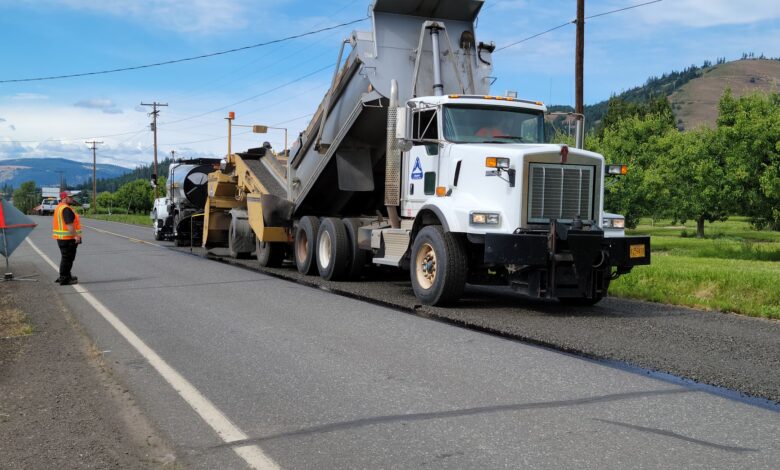
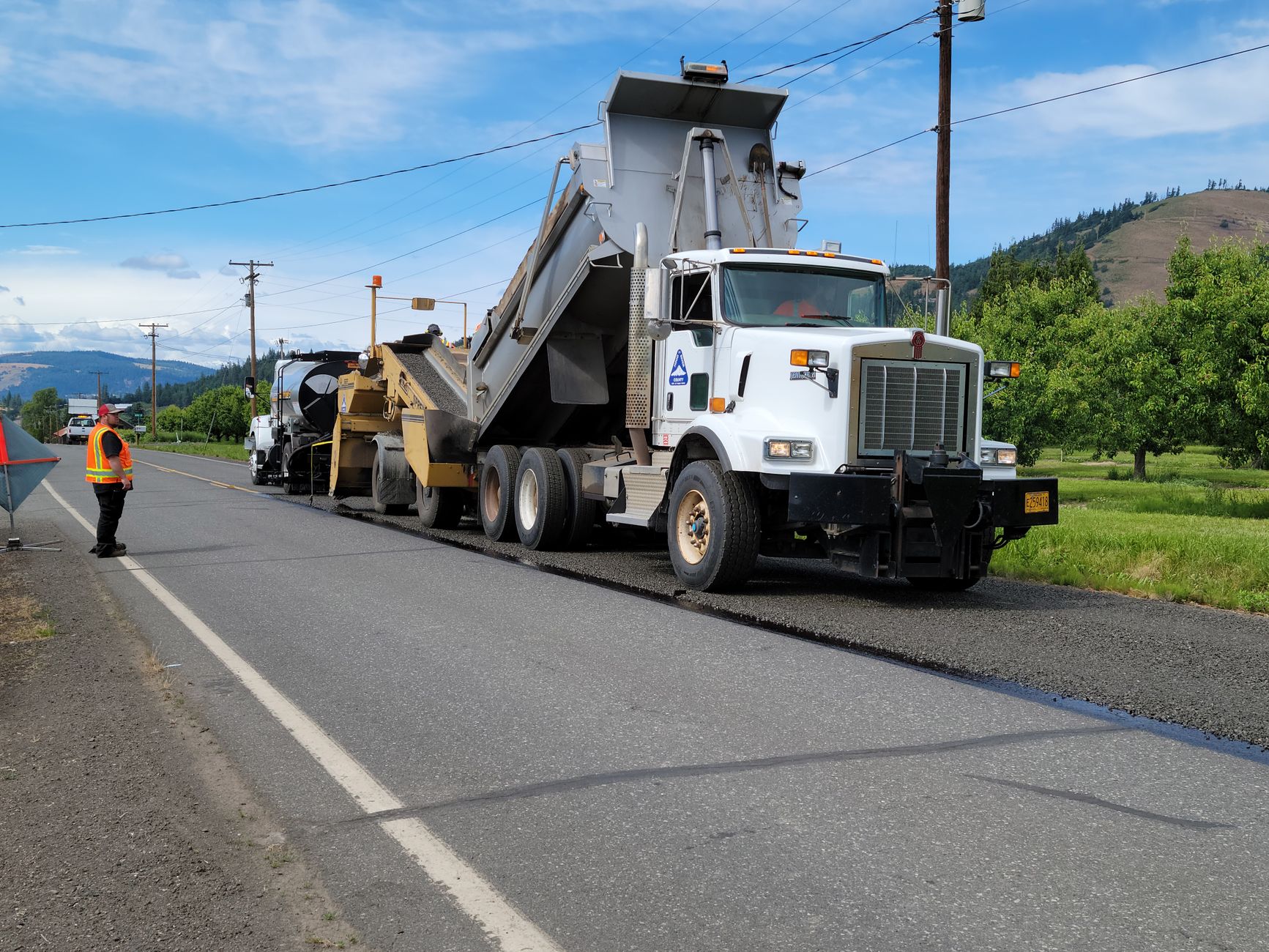
Road maintenance budgets at the state level are not discretionary in the way that, say, cultural program funding is. Federal highway formula grants require matching expenditures, and most states have established multi-year paving schedules that effectively lock in asphalt demand years in advance. For a pension fund acquiring a stake in a supply contract servicing those schedules, the revenue visibility is closer to a toll road concession than to a spot commodity trade. The cash flows are boring in the best possible way.
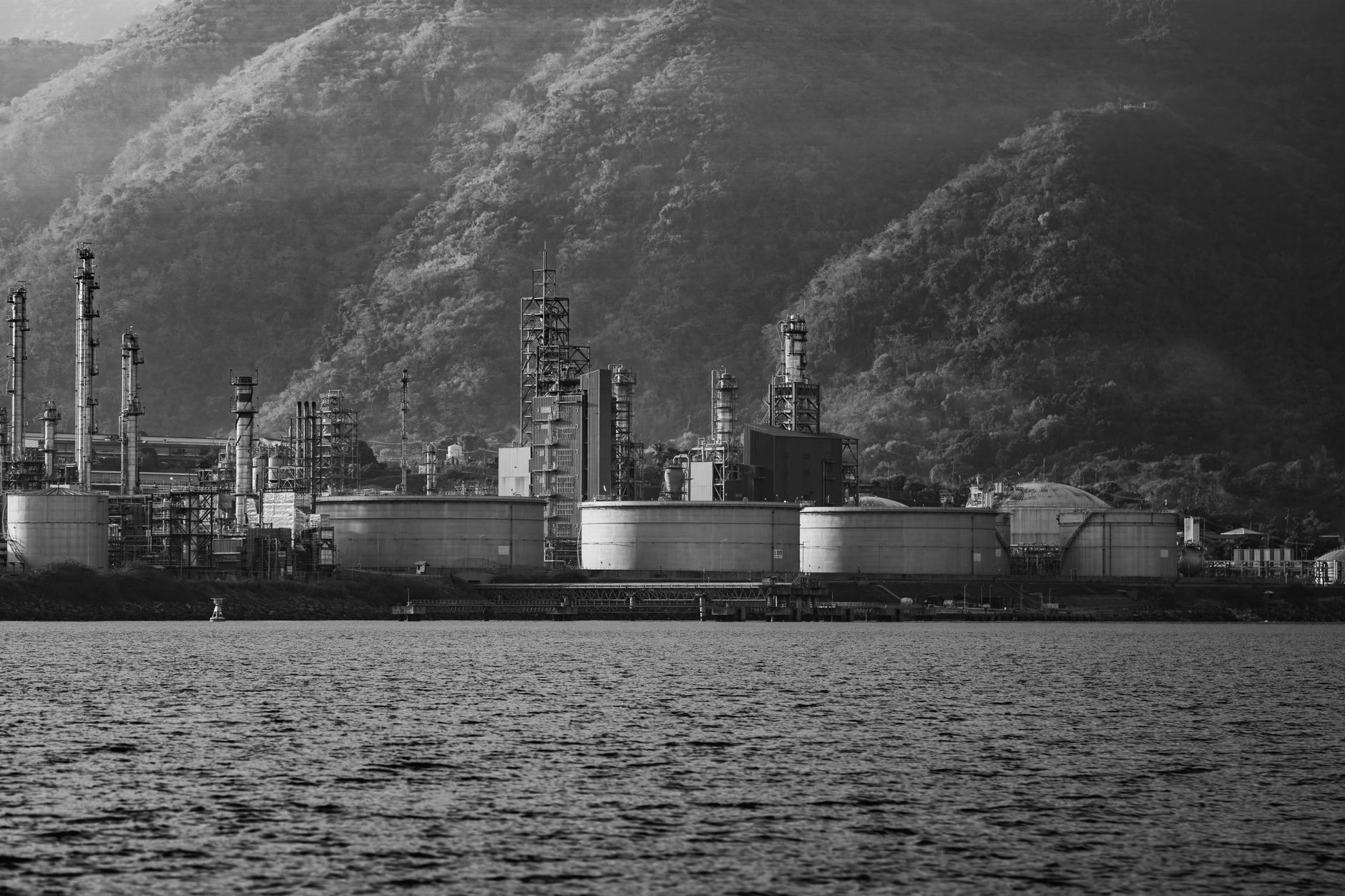
Liquid asphalt is a petroleum refinery byproduct – the heavy residual fraction left after lighter fuels are extracted – and its pricing behavior differs from crude oil in ways that matter to institutional investors. When crude prices spike, refiners sometimes shift their processing mix to extract more higher-value products, which actually tightens asphalt supply and pushes prices up independently of crude movement. That partial decorrelation from oil markets gives the asset a diversification argument that portfolio managers find genuinely attractive, not just theoretically interesting.
How the Contracts Actually Work
A liquid asphalt supply contract is typically structured as a long-term agreement between a refinery or terminal operator and a road construction firm, paving contractor, or public works department. The pension fund’s role is not to take physical delivery of barrels – that would require operational infrastructure they don’t have. Instead, funds acquire economic interests in the revenue streams generated by these contracts, often through special purpose vehicles structured by infrastructure-focused asset managers.
The fee structures embedded in these arrangements tend to include both a fixed availability component and a variable throughput component. The fixed portion covers the cost of maintaining supply capacity – storage terminals, blending equipment, logistics networks – and it accrues regardless of how much asphalt actually moves. That fixed floor is what pension fund investment committees care about most, because it functions like a minimum rent payment on physical infrastructure.
Contract terms in this space commonly run between five and fifteen years, with renewal options that can extend commitments further. For state highway departments operating under multi-year capital improvement plans, locking in a supply relationship reduces procurement risk, which means they are often willing to accept pricing structures that benefit the supplier side of the contract. That dynamic creates a situation where the pension fund-backed capital is effectively subsidizing supply chain stability in exchange for above-average margin protection.
The infrastructure bill passed in 2021 materially expanded federal road spending commitments, and that expansion flowed directly into state capital improvement pipelines. Contractors began seeking longer supply agreements to hedge their own input costs, and refiners saw an opportunity to monetize their asphalt production capacity at favorable terms. That alignment of interests is what opened the door for institutional capital to enter a market that had previously been dominated by regional operators and privately held terminal companies.
The Risk Profile Nobody Talks About
There is a genuine risk embedded in this strategy that deserves direct discussion. Liquid asphalt demand is tied to road construction and maintenance activity, which, while relatively stable, is not immune to budget pressure. During periods of severe state fiscal stress – the kind that forces across-the-board capital expenditure freezes – paving schedules can slip, and the variable throughput component of supply contracts can underperform. The fixed floor provides protection, but not complete protection.
There is also a longer-horizon question about pavement technology. Some transportation planners are exploring concrete alternatives for high-traffic corridors, citing longer maintenance cycles, and electric vehicle adoption is prompting some road engineers to revisit surface specifications for charging infrastructure integration. These shifts are slow-moving, but they are real, and a fifteen-year supply contract signed today carries some exposure to demand patterns that could look different toward the end of its term.

Where This Fits in the Broader Infrastructure Allocation
Pension funds have been expanding infrastructure allocations for years, moving from core assets like airports and utilities into what the industry calls “infrastructure-adjacent” or “essential services” categories. Liquid asphalt supply contracts sit in that second tier – not a regulated monopoly, not a pure commodity trade, but something in between. The same funds building these positions have also been active in toll road land leases, which share the long-duration, inflation-linked return profile that makes surface transportation assets appealing to liability-driven investors.
The appeal of accumulating these positions quietly rather than through publicized fund launches comes down to deal access. Liquid asphalt terminal operators and regional contractors are not accustomed to institutional capital and do not typically run competitive auction processes. Funds that build relationships directly – through asset managers with existing infrastructure deal flow – can acquire positions at valuations that would not survive a broadly marketed process. Visibility is the enemy of the spread.
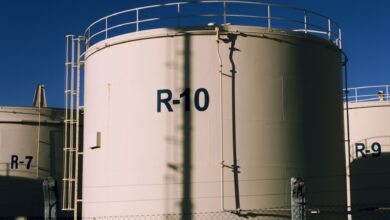
What gets overlooked in discussions of infrastructure investing is just how much of the physical economy runs on inputs that receive no attention until they become scarce. Liquid asphalt is priced in tons per day, stored in heated tanks to prevent solidification, and moved by specialized tanker trucks on schedules that most highway engineers take for granted. A pension fund holding a revenue interest in that supply chain is, in a very literal sense, holding a claim on the material that keeps roads from cracking open. Whether that claim is priced correctly today is the question fund managers are betting they can answer before the rest of the market figures out that the question exists.
Frequently Asked Questions
Why are pension funds investing in liquid asphalt supply contracts?
Liquid asphalt contracts tied to state road budgets offer long-duration, inflation-linked cash flows with strong demand visibility – matching pension funds’ liability profiles.
What risks come with investing in asphalt supply contracts?
State budget freezes can reduce throughput volumes, and longer-term shifts toward concrete paving or new road materials could soften asphalt demand over multi-decade contract horizons.